
The Most Common Deck Problems in the Northeast (And Why They’re Often Missed)
- Michael Smego
- Jan 7
- 3 min read
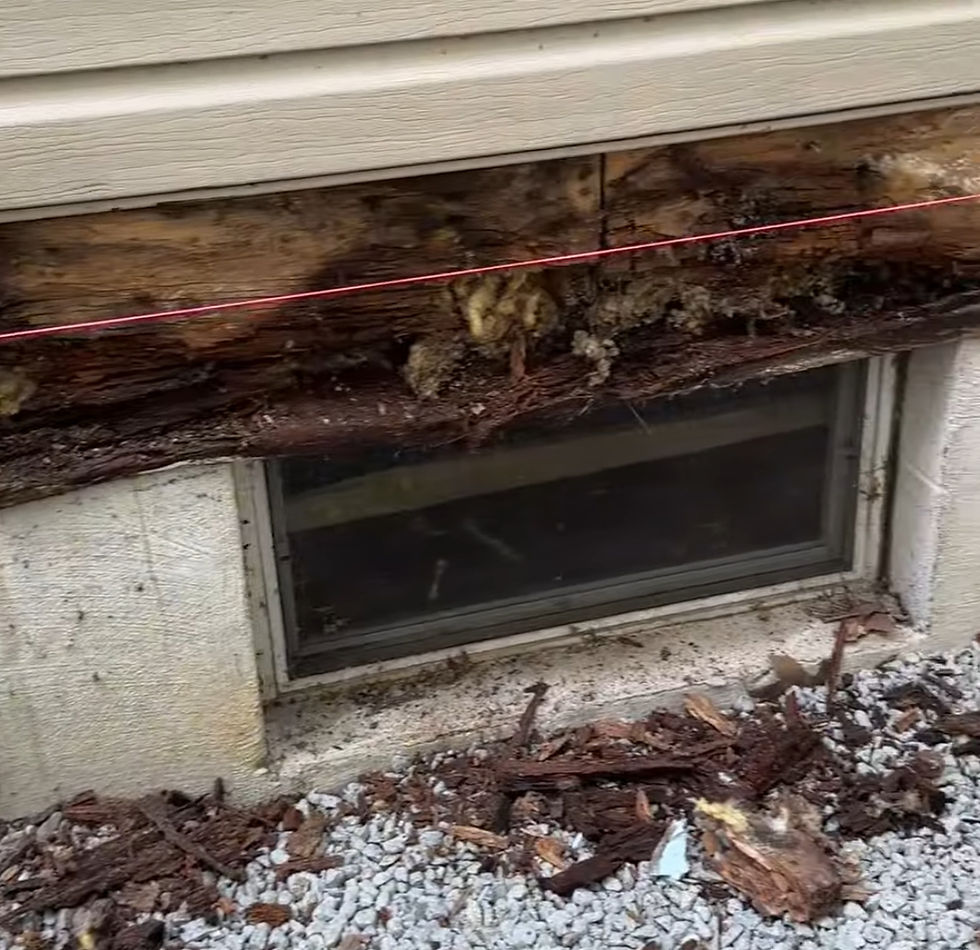
Decks in the Northeast work harder than most homeowners realize. Between freeze–thaw cycles, humidity, snow load, and seasonal temperature swings, even well-built decks are under constant stress.
Homeowners in Selinsgrove, Shamokin Dam, Sunbury, Northumberland, Lewisburg, and Danville often assume deck problems are obvious — but many of the most serious issues start quietly and worsen over time.
This guide walks through the most common deck problems we see in Northeast climates, why they happen, and why catching them early matters.
1. Ledger Board Failure (The Most Serious Issue)
What it is:The ledger board is the structural connection between your deck and your home.
Why it’s a problem in the Northeast:
Improper flashing allows water intrusion
Freeze–thaw cycles expand trapped moisture
Hidden rot develops behind siding
Why it matters:Ledger failure is the leading cause of deck collapses. It often happens without visible warning.
What homeowners should watch for:
Soft or spongy decking near the house
Rusted fasteners
Gaps between deck and home
2. Rotting or Deteriorating Framing
What it is: Damage to joists, beams, or posts beneath the deck surface.
Why it’s common locally:
Snow sits on decks for weeks
Moisture becomes trapped under composite boards
Poor ventilation accelerates decay
In places like Northumberland County, decks built without proper airflow are especially vulnerable.
Warning signs:
Sagging deck sections
Cracking or splitting wood
Visible fungal growth
3. Loose or Unsafe Railings
What it is:Railings that wobble, flex, or no longer meet code strength requirements.
Why it happens in cold climates:
Fasteners loosen from expansion and contraction
Posts rot at connection points
Older decks don’t meet current safety codes
Why it matters:Railings are a fall-prevention system, not decorative trim.
If a railing moves when leaned on, it’s already unsafe.
4. Fastener Corrosion and Failure
What it is: Rusting or weakening of screws, nails, hangers, and connectors.
Why it’s worse in the Northeast:
Moisture exposure
Snow melt
Road salt tracked onto decks
Even pressure-treated lumber can accelerate corrosion if incompatible fasteners were used.
What to look for:
Rust stains
Missing or cracked hardware
Joist hangers pulling away
5. Excessive Board Movement or Warping
What it is: Deck boards shifting, cupping, or pulling away from fasteners.
Why it happens locally:
Temperature swings from winter to summer
Inadequate spacing for expansion
Improper fastening methods
This is common on older decks throughout Sunbury and Lewisburg, especially those built before modern composite installation standards.
Why it matters:Movement stresses framing and fasteners and shortens deck lifespan.
6. Inadequate Footings or Frost Heave
What it is: Deck footings shifting due to frost movement in the soil.
Why it’s a Northeast issue:
Frost depth requirements are often ignored
Older decks may not meet current standards
Poor soil conditions amplify movement
Warning signs:
Uneven deck height
Cracks near post bases
Visible shifting after winter
7. Surface Issues That Signal Bigger Problems
Sometimes cosmetic issues point to structural concerns:
Persistent mold or mildew
Discoloration that doesn’t wash away
Soft spots underfoot
These often indicate trapped moisture, which is especially destructive in freeze-thaw climates.
Why These Problems Are Often Missed
Many deck issues:
Start below the surface
Progress slowly
Don’t cause immediate failure
Homeowners in Central Pennsylvania often assume a deck is safe because it “looks fine,” but appearance alone is not a reliable indicator of structural health.
Why Early Awareness Matters
Catching deck problems early can:
Prevent safety hazards
Extend the life of the structure
Reduce long-term repair costs
Avoid emergency replacements
In Northeast climates, small issues rarely stay small once moisture and winter conditions get involved.
Final Thoughts for Northeast Homeowners
Decks in the Northeast demand more attention and better construction practices than those in milder regions. Understanding common problems helps homeowners make informed decisions — whether that’s planning repairs, budgeting for upgrades, or evaluating an older deck.
For homeowners in Selinsgrove, Shamokin Dam, Sunbury, Northumberland, Lewisburg, and Danville, knowing what to watch for is the first step toward long-term safety and durability.


Comments